Book by 14:00, uplift the same day. Miss it, and Tide already priced the next one.
Express direct, scheduled consolidation, or a dedicated charter: Tide prices chargeable weight across all three before the cutoff passes, and locks the routing that actually makes your flight.
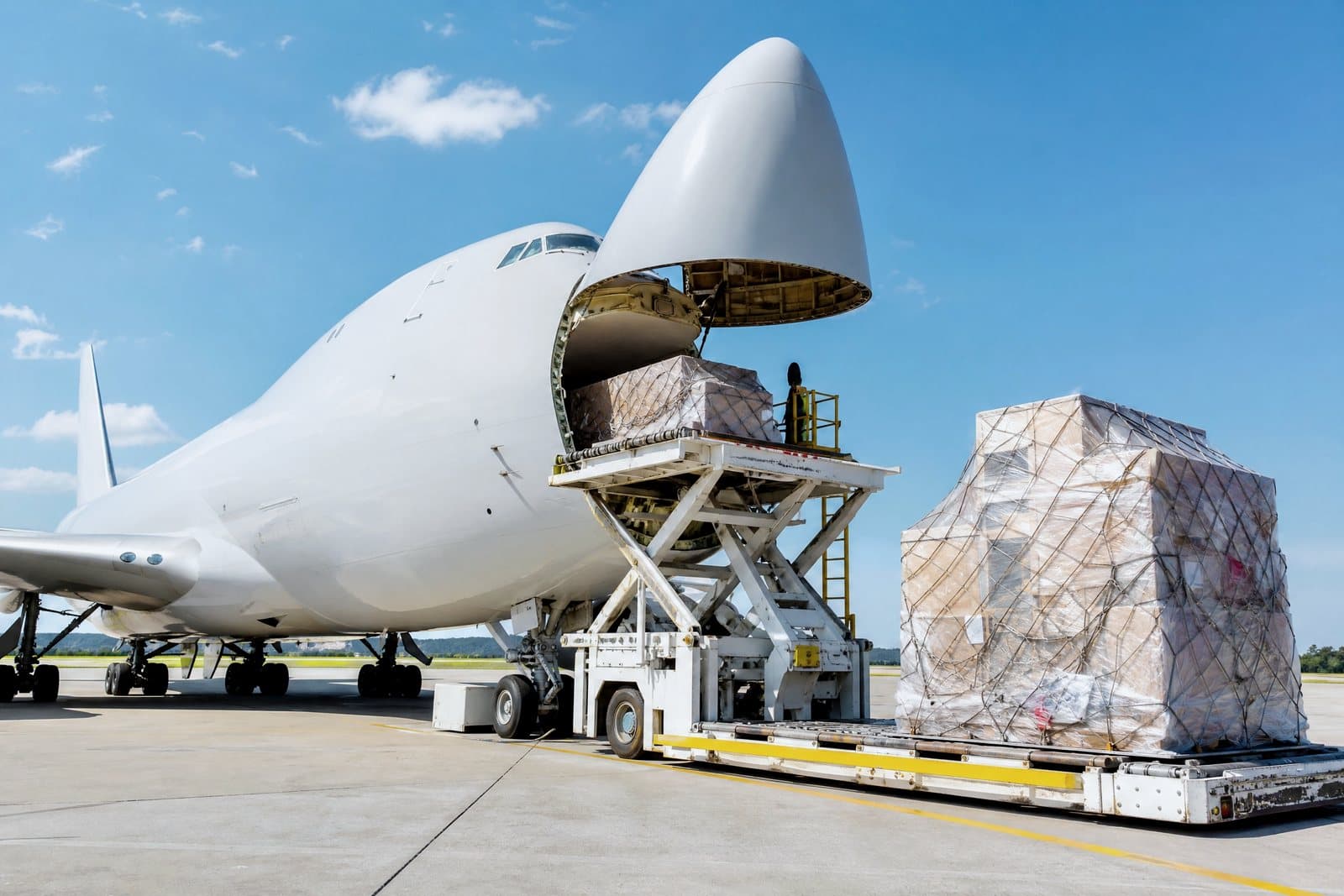
Every kilo, priced against the clock.
Three ways to get cargo off the ground, one chargeable-weight number before you commit to any of them.
Express
The fastest way off the ground: cargo tenders straight onto the next available flight, no consolidation wait and no ULD build queue. Tide prices chargeable weight against the live uplift schedule and locks the flight before the rate changes.
- Next available uplift
- Priority tarmac handling
- No consolidation wait
Consolidation
Palletized freight builds into a shared ULD on a fixed departure cadence. Slower than express, priced per kilo of chargeable weight instead of a dedicated flight, and still tracked milestone by milestone from tender to uplift.
- Scheduled ULD builds
- Per-kilo chargeable pricing
Charter
When the cargo is too large, too urgent, or too valuable to share a hold, Tide books the whole aircraft. Routing, slot, and ground handling get engineered around the shipment instead of a published schedule.
- Dedicated aircraft
- Custom routing and slot
- Oversized and project cargo
Dangerous goods and lithium
Batteries, aerosols, and other regulated cargo need the right IATA packing instruction, UN number, and shipper's declaration before a single kilo gets near the ramp. Tide screens the HS code for DG flags at quote time, not after the freight is already at the warehouse.
- IATA DGR classification
- Shipper's declaration on file
- Screened at quote, not at the ramp
scroll for capacity & use →
| Service | Uplift | Cutoff to uplift | Typical transit |
|---|---|---|---|
| Express | Next available flight | Same-day cutoff | 24-48 h door to door |
| Standard consol | Daily scheduled ULD build | 24 h before build | 3-5 d door to door |
| Deferred consol | 2-3x weekly ULD build | 48 h before build | 5-8 d door to door |
| Charter | Dedicated aircraft, custom slot | Slot-dependent, no fixed cutoff | As fast as the routing allows |
One shipment, three ways to the tarmac.
The cutoff decides which of these actually flies: the model prices the express direct uplift, the scheduled consolidation, and the charter, then locks whichever one still clears before that clock runs out.
The cutoff is priced in before you miss it.
- Ocean freight$2,480
- Duties and taxes$610
- Insurance$140
- Fees$95
Ground crew builds the pallet while the airway bill is still printing.
ULD / upliftAir freight, answered.
The questions every shipper asks before the first uplift.
What's the difference between chargeable and actual weight?
Airlines price whichever is higher: the actual weight on the scale, or the volumetric weight calculated from the dimensions divided by 6,000 cubic centimeters per kilogram. Light, bulky freight like foam packaging or apparel almost always prices on volume, not weight, so two pallets of the same physical weight can carry very different airway bill costs. Tide runs both numbers at quote time so the chargeable weight is never a surprise after the freight is already on the truck to the airport.
How fast is air freight actually, door to door?
The flight itself is the short part. A typical express shipment runs 24 to 48 hours flight-to-delivery on a well-served lane, but origin pickup, export clearance, the cutoff window before uplift, import clearance, and last-mile delivery usually add another day or two on each end. A realistic door-to-door window on a major lane is 3 to 6 days for express and longer for scheduled consolidation, and every Tide quote breaks out where that time actually goes instead of quoting flight time alone.
When does air freight beat ocean on total cost, not just speed?
Rarely on freight cost alone, air runs several multiples of ocean per kilogram. It wins on the numbers that don't show up on the freight invoice: less inventory sitting in transit, fewer stockout write-offs, faster cash conversion on high-value or fast-moving SKUs, and lower insurance exposure on cargo that isn't at sea for a month. The crossover is usually small, dense, high-value freight where the carrying cost of a slow ocean transit outweighs the air premium.
What can't fly?
Anything the IATA Dangerous Goods Regulations flag without the right packing, labeling, and shipper's declaration: unpackaged lithium batteries above certain watt-hour thresholds, most aerosols and compressed gases, and a long list of flammables and oxidizers. Some of it can still fly with the correct DG classification and packing instruction, and some of it legally cannot go by air at all. Tide screens the HS code for DG flags at quote time so you find out before the freight is at the warehouse, not at the ramp.
How do consolidation cutoffs actually work?
A scheduled consolidation builds one ULD out of many shippers' cargo ahead of a fixed departure, and the cutoff is the deadline for your freight to physically arrive and get built into that pallet, not the deadline to book. Miss the cutoff and the shipment rolls to the next build, typically two to three days later on a deferred lane. Tide shows the actual cutoff against the current clock on every consolidation quote, not just the transit time.
What's included in an air freight quote?
A Tide air quote is chargeable weight priced against the live uplift schedule, fuel and security surcharges, origin and destination handling, documentation, and customs brokerage where we file the entry. Charter quotes add the aircraft and routing cost engineered for that specific shipment. Every line is itemized before you book, and DG classification is confirmed up front so it isn't a change order after the freight is already palletized.
Price your next uplift.
Chargeable weight, cutoff, and routing, itemized in seconds.