The ocean moves slow. Your booking shouldn't.
Full containers, shared space, and reefer on 150+ trade lanes. Tide prices the box in seconds, books the carrier, and starts the customs entry while your cargo is still on the water.
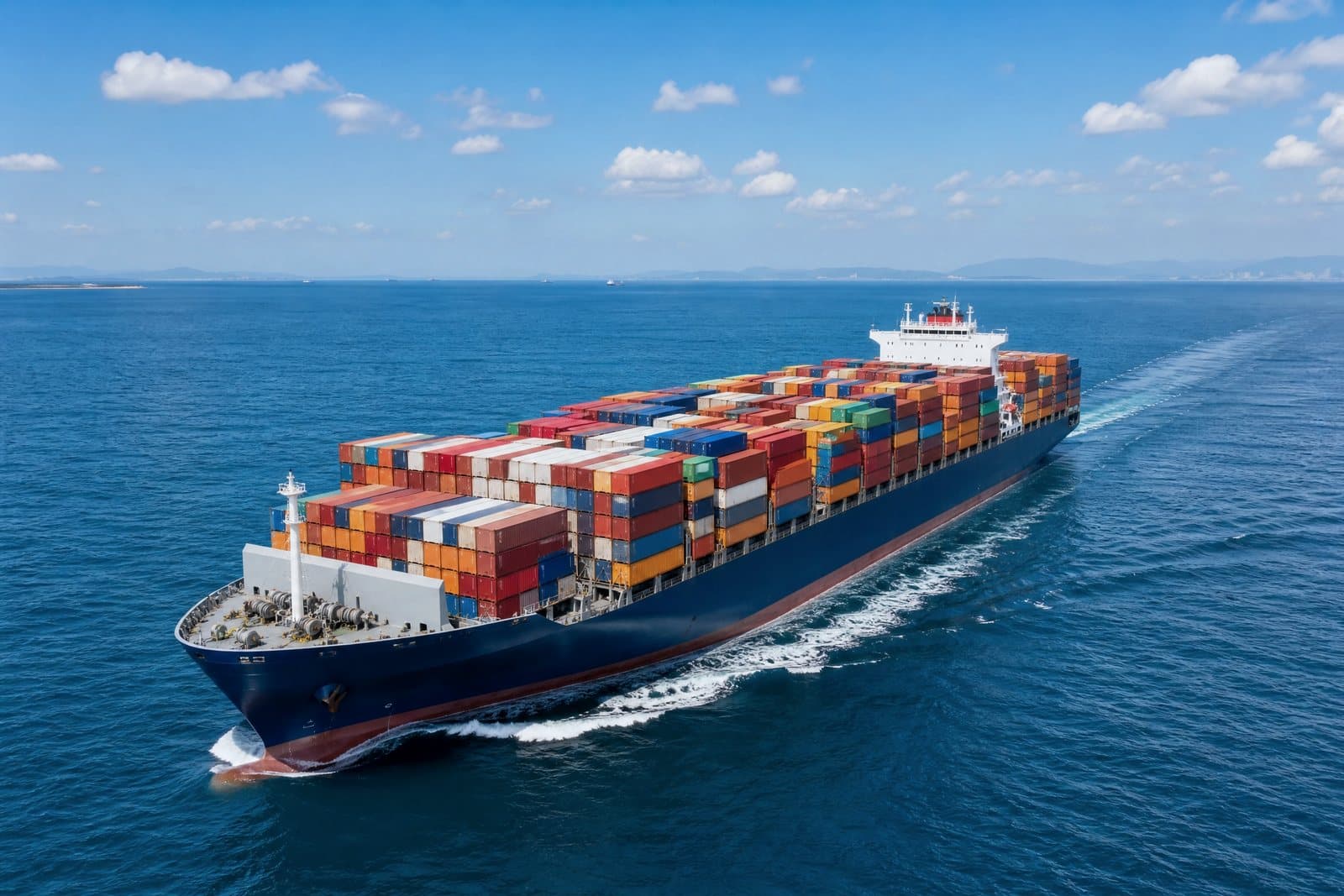
Every box, priced like it matters.
Four ways to put cargo on the water, one itemized landed cost before you commit to any of them.
FCL
Your container, your schedule. Tide quotes the full box across every sailing on the lane, books the carrier directly, and tracks port-to-port milestones from gate-in to gate-out.
- Every major carrier on the lane
- Door-to-door or port-to-port
- Live rollover-risk flags
LCL
Pay for the space, not the box. Weekly consolidations on the major lanes with the same milestone tracking a full container gets.
- Weekly sailings on core lanes
- Per-CBM itemized pricing
Reefer
Temperature-controlled from plug to plug. Set-point history rides with the shipment record, so a cold-chain audit is one export, not a phone chain.
- Set-point telemetry on the record
- Genset and plug coordination
Break-bulk and OOG
Flat racks, open tops, and project cargo that does not fit in a box. Tide engineers the routing with the carrier's port captain before anything is booked, because out-of-gauge surprises get expensive at the quay.
- Flat rack and open-top equipment
- Lift plan and lashing coordination
- Port captain review before booking
scroll for capacity & use →
| Equipment | Internal volume | Max payload | Typical use |
|---|---|---|---|
| 20' GP | 33 m3 | 28,200 kg | Dense cargo, small consignments |
| 40' GP | 67 m3 | 26,700 kg | The workhorse dry box |
| 40' HC | 76 m3 | 26,500 kg | Volume cargo, e-commerce |
| 40' reefer | 59 m3 | 25,700 kg | Cold chain, perishables |
| 45' HC | 86 m3 | 25,600 kg | Light, bulky freight |
| Flat rack | open | 39,000 kg | Machinery, out-of-gauge |
One lane, every way across it.
Rollover risk decides this as much as the rate does: the model prices the direct service, the transshipment, and the fast premium routing, then books whichever one actually makes the sailing.
Booked is the start, not the end.
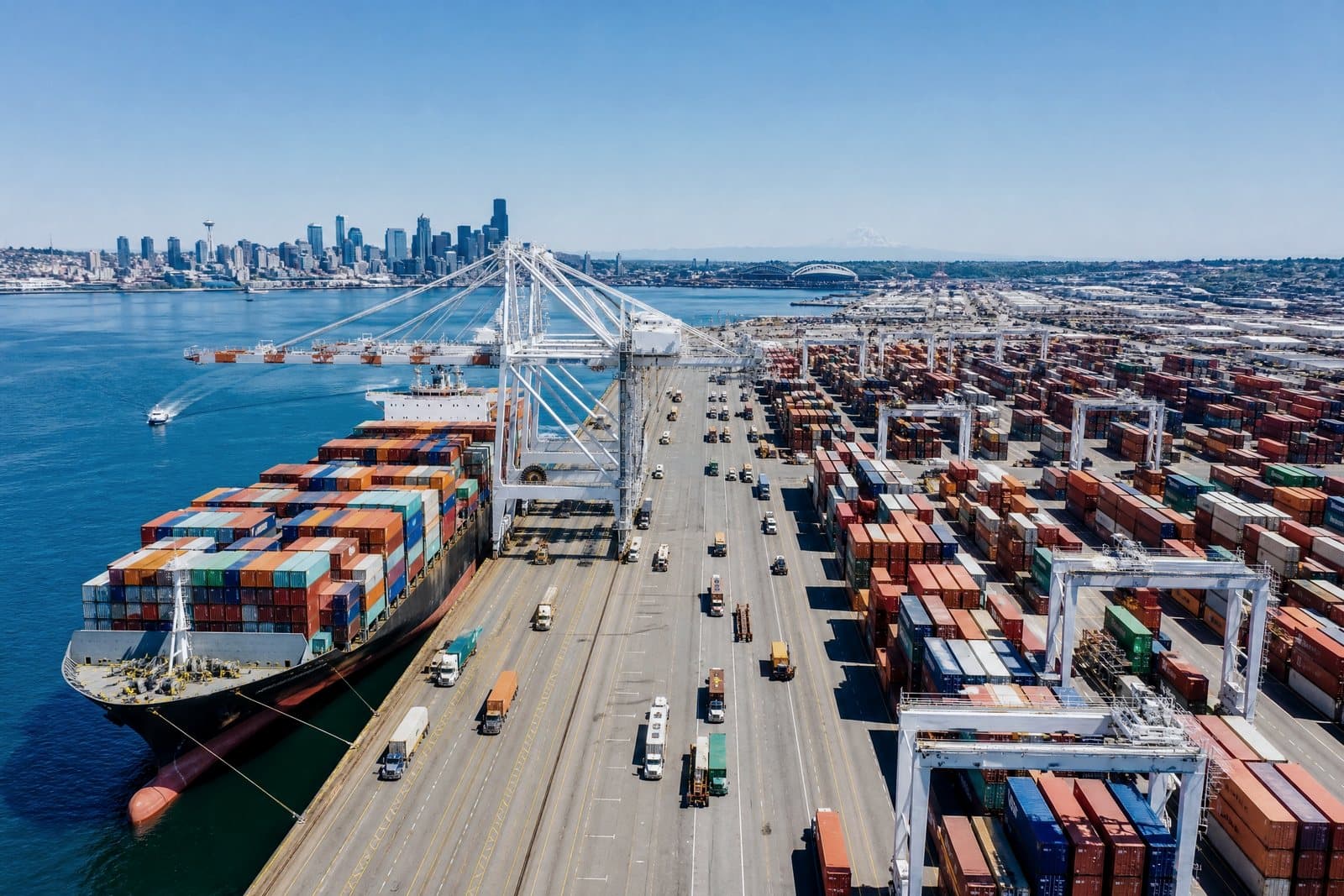
From gate-in at origin to the ramp at destination, one record of the move.
gate-in / gate-outOcean freight, answered.
The questions every shipper asks before the first booking.
When should I ship FCL instead of LCL?
The crossover is usually around 13 to 15 cubic meters. Below that, paying per CBM in a consolidated container is cheaper; above it, a full 20-footer costs about the same and moves faster because it skips consolidation and deconsolidation at both ends. Tide quotes both side by side when your volume sits in the gray zone, so the decision is a comparison, not a guess.
How long does ocean freight actually take?
Port-to-port transit on the major lanes runs roughly 14 to 18 days trans-Pacific, 25 to 35 days Asia to the US East Coast, and 30 to 40 days Asia to Europe depending on routing. Door-to-door adds origin pickup, export clearance, import clearance, and final delivery, typically one to two weeks on top. Every Tide quote shows the full door-to-door estimate for the specific routing, not a brochure average.
What is included in an ocean freight quote?
A Tide quote is a full landed cost: ocean freight, fuel and carrier surcharges, origin and destination terminal handling, documentation, customs brokerage where we file the entry, and estimated duties for your HS codes. Each line is itemized before you book. There are no post-hoc markups, and the number you accept is the number on the invoice.
How do I avoid demurrage and detention charges?
Demurrage accrues when your container sits at the terminal past free time; detention accrues when you hold the carrier's equipment too long after pickup. Both are avoidable with early visibility. Tide flags approaching free-time expiry on every container, files customs before arrival so the box can move the day it discharges, and coordinates drayage against the actual vessel schedule instead of the original ETA.
Can Tide handle temperature-controlled cargo?
Yes. Reefer bookings carry the set point, ventilation, and humidity requirements on the booking record, and Tide coordinates the plug at origin, on the water, and at destination. Set-point telemetry attaches to the shipment file, which matters when a receiver or insurer asks you to prove the cold chain held for the whole crossing.
How do I track my container?
Every shipment gets one live view on the Tide platform: vessel position, port milestones, customs status, and documents in a single record instead of a carrier site, a broker email thread, and a spreadsheet. Milestone changes push to you as they post, including the ones that cost money, like a rolled sailing or a free-time clock that has started running.
Price your next container.
An itemized landed cost in seconds, on the lane you actually ship.