Clearance is not delivery. Tide runs the truck on the same record.
FTL, LTL, and drayage priced and booked from the same platform that cleared the box. The container does not change hands to a separate trucking vendor: dispatch, transit, and proof of delivery live on the one shipment record that started at origin.
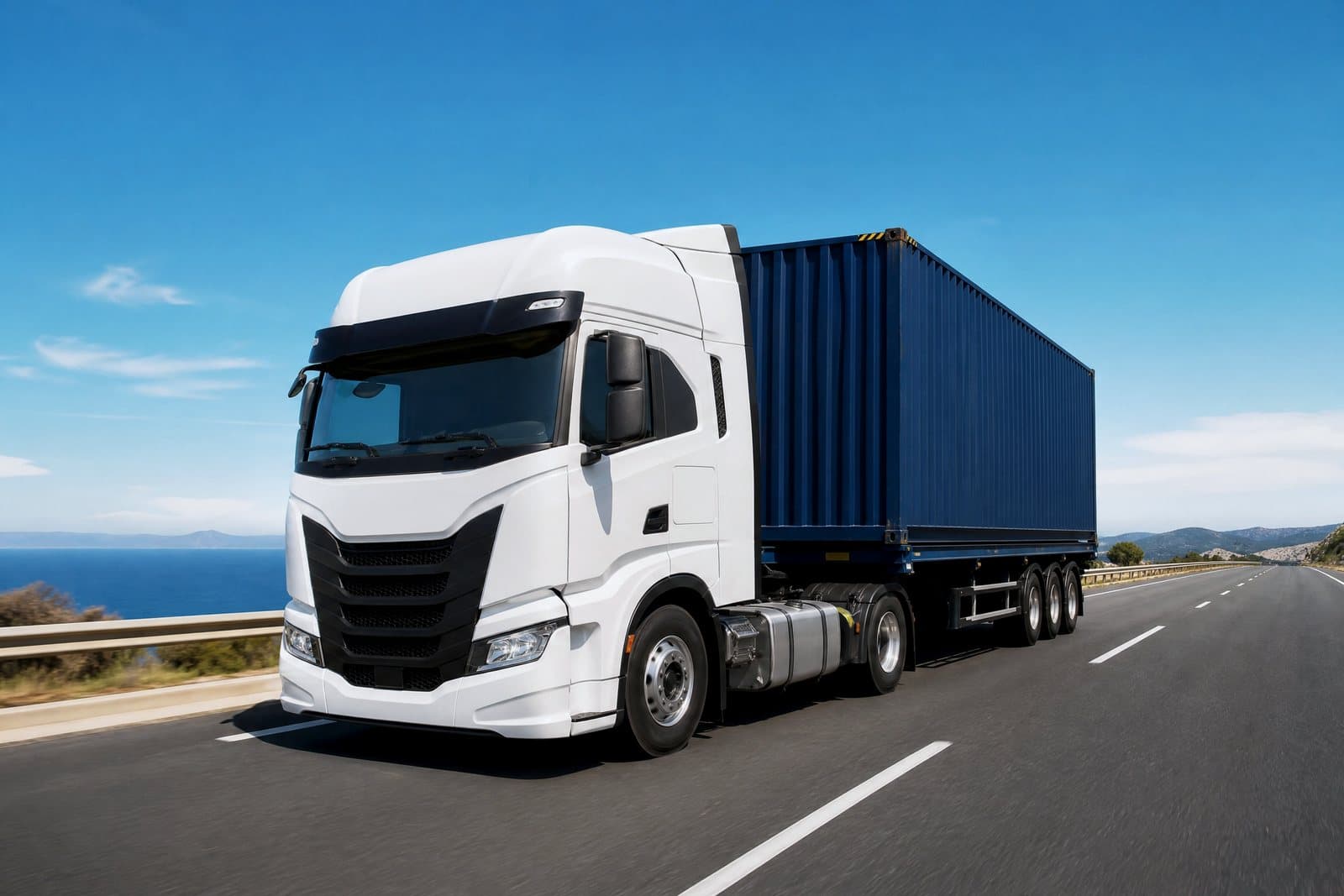
Four ways to move it, priced before the truck rolls.
FTL for a dedicated trailer, LTL for shared space, drayage for the box that just cleared the port, final mile for the door it is actually going to.
FTL
One trailer, one shipper, no stops between pickup and delivery. Tide quotes the lane against current market capacity, assigns a carrier from a vetted partner network, and tracks the run from dispatch to proof of delivery on the same record as the rest of the shipment.
- Dedicated 53' dry van or reefer
- Live ETA against dispatch, not the original quote
- Partner carrier network, not an owned fleet
LTL
Pay for the pallets you are actually shipping. Freight moves on a shared trailer through a regional terminal network, priced by weight and class instead of a full truck.
- Priced by weight and freight class
- Terminal-to-terminal or door-to-door
Drayage
The move from the terminal to wherever the box actually needs to be. Tide coordinates chassis assignment against the vessel or rail arrival so the container is not sitting on wheels it does not have, and the drayage leg posts to the same record as the ocean or rail move that got it there.
- Chassis coordination against arrival
- Port and rail ramp pickups
- Per-diem and detention tracked on the record
Final mile
The leg that decides whether the promise on the quote gets kept. Tide schedules the dock appointment, tracks the delivery window, and captures proof of delivery, signature and timestamp, back to the shipment record instead of a driver's paper log.
- Dock appointment scheduling
- Delivery window tracking
- Signed proof of delivery on the record
scroll for capacity & use →
| Service | Equipment | Capacity | Typical use |
|---|---|---|---|
| FTL dry van | 53' dry van | ~45,000 lb / 26 pallets | Full truckload, dedicated trailer |
| LTL | shared trailer space | 1 to 6 pallets | Partial loads, priced by class |
| Drayage | tri-axle chassis | ~44,000 lb loaded container | Port and rail container moves |
| Reefer | 53' reefer trailer | ~43,000 lb / 26 pallets | Temperature-controlled freight |
| Flatbed | 48' to 53' flatbed | ~48,000 lb | Machinery, oversized, decked loads |
One load, three ways to move it.
Chassis availability and hub dwell time decide this as much as the rate does: the model compares a dedicated FTL run, a consolidated LTL move through a hub, and drayage into a line-haul when the box is coming off a vessel or railcar, then dispatches whichever one actually has equipment underneath it.
The truck books on the same record.
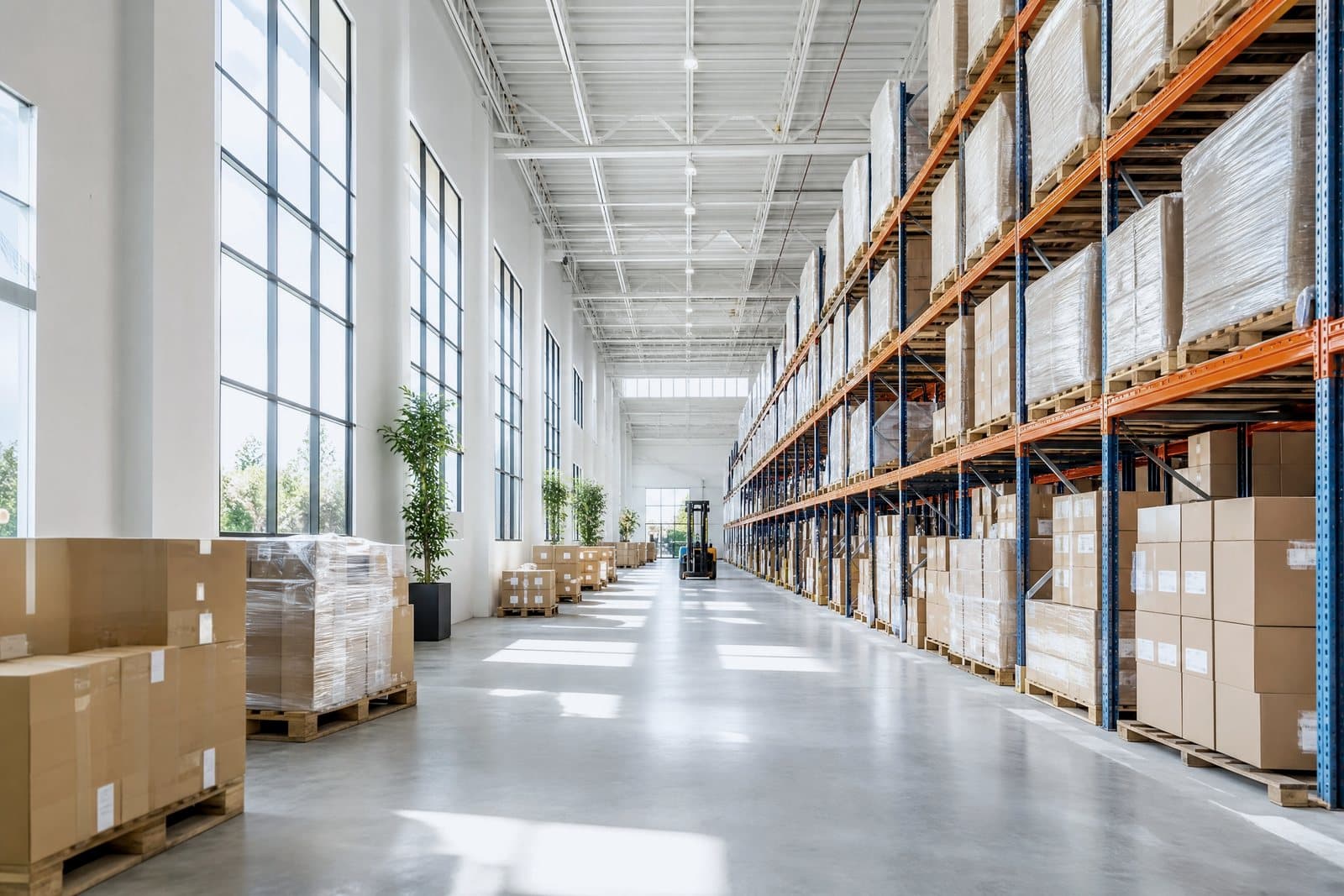
The dock appointment lives on the same record as the booking, not a phone call away from it.
dock / doorGround freight, answered.
The questions every shipper asks before the truck is dispatched.
When does it make sense to book FTL instead of LTL?
The crossover is usually around six to eight pallets, roughly half a trailer's worth of freight. Below that, LTL is cheaper because you are only paying for the space and weight you use; above it, a dedicated FTL trailer starts costing about the same per pallet and moves faster because it skips the terminal handling and reclassification that LTL freight goes through at each hub. Tide prices both side by side when your volume sits near that line.
What is drayage and why does chassis availability matter?
Drayage is the short haul that moves a container from the port or rail ramp to a warehouse, distribution center, or rail yard, and back. It requires a chassis, the wheeled frame the container sits on, which the trucker does not always own. When chassis supply at a terminal is tight, a container can clear customs and still sit for days waiting for equipment to move it. Tide checks chassis availability at the terminal before committing to a pickup window, instead of finding out the pool is empty after the truck is already dispatched.
How does free time at the port affect the trucking leg?
Free time is the window after a container discharges where the terminal does not charge to store it, typically a few days depending on the port. If the truck has not picked it up by the time free time expires, demurrage starts accruing at the terminal; once the trucker has the container, a separate detention clock starts if it is not returned to the terminal on schedule. The two charges sit at different points in the move, and both are avoidable with the same fix: booking the drayage pickup against the actual discharge date instead of the original ETA.
Can Tide handle just the domestic trucking leg, with no ocean or air booking?
Yes. FTL, LTL, and drayage all book as standalone moves. The advantage of routing the international leg through Tide as well is that the trucking booking inherits the shipment details automatically, container number, weight, commodity, so there is no re-entry and no gap between when the box clears and when the truck is scheduled. A domestic-only booking works the same way, on its own.
Does Tide handle temperature-controlled trucking?
Yes, on reefer trailers for both FTL and drayage moves. The set point, whether the load needs continuous monitoring, and any humidity requirements attach to the booking the same way they do on an ocean reefer container, and the trailer's temperature log rides with the shipment record so it is available if a receiver or insurer needs to see it after delivery.
Who is liable if freight is damaged or lost on the road leg?
Every carrier in Tide's partner network carries cargo insurance meeting standard federal minimums, and the specific coverage and liability terms attach to the load tender before dispatch, not after something goes wrong. For high-value freight, additional cargo insurance can be purchased at booking. The carrier of record and its coverage are part of the shipment record, so liability is not a question you have to reconstruct from a bill of lading after the fact.
Book the leg that finishes the move.
FTL, LTL, or drayage, priced and dispatched from the same platform that handled the rest of the shipment.